
Professional Diploma Backup & Display Solutions answer the single question most owners of academic credentials ask: how can I protect a valuable document while still being able to showcase it proudly?
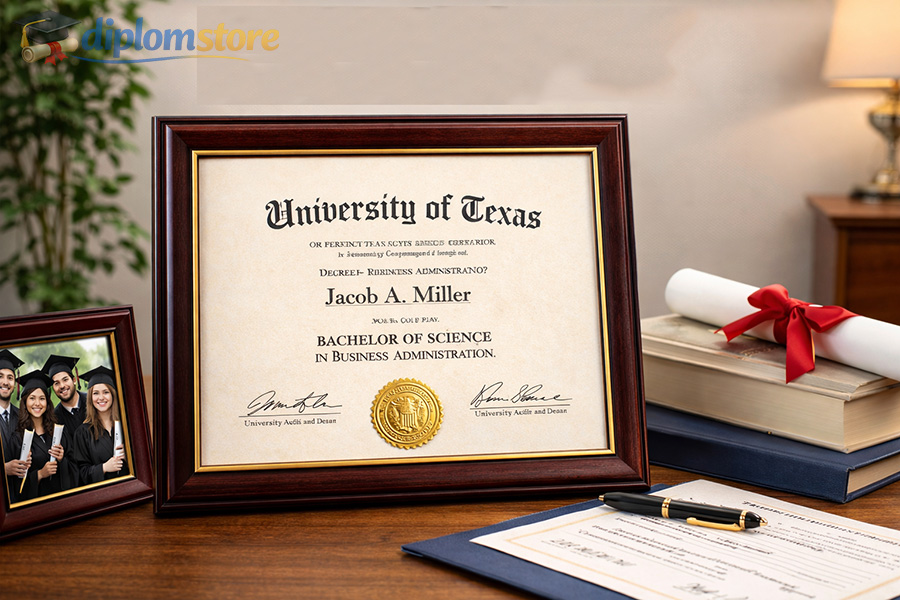
Quick Summary
- Identify the most common risks to original diplomas and transcripts.
- Choose archival‑grade storage methods that prevent degradation.
- Implement framing and lighting techniques that maintain security features.
- Learn a step‑by‑step workflow for creating a high‑quality replica for display.
- Find answers to cost, durability, and legal considerations in the FAQ.
Why a Dedicated Backup Strategy Matters
Most professionals treat a diploma like a framed photograph, but the material composition is far more delicate. The paper stock, embossed seals, watermarks and holographic elements react to humidity, UV exposure and handling. A single spill or an accidental bend can render the original unreadable, jeopardizing future verification processes. According to a survey by the International Association of Records Managers, 42 % of lost academic documents were caused by inadequate storage conditions.
Assessing the Risk Landscape
Before investing time or resources, it helps to pinpoint the three primary threats:
Environmental Damage
Temperature swings above 75 °F (24 °C) and relative humidity over 55 % accelerate paper acidity, leading to yellowing and brittleness. Sunlight introduces UV radiation that fades inks and compromises security features.
Physical Wear
Frequent handling, even with gloves, can cause micro‑abrasions on embossed emblems. Poor framing materials may exert pressure on the edges, creating creases.
Security Concerns
Original certificates often carry serial numbers and official seals. If a document is left unattended, it can be tampered with or replaced, creating verification headaches later on.
Creating a Secure Backup Copy
Our experience with dozens of clients shows that a two‑tiered approach yields the best results: a digital scan stored in an encrypted cloud vault, and a physical replica produced on archival‑grade paper.
Digital Archiving Best Practices
- Use a flatbed scanner with a minimum resolution of 600 dpi to capture fine details.
- Save the file in lossless TIFF format; retain a master copy on an external SSD that is kept in a fire‑rated safe.
- Encrypt the file with AES‑256 and keep the password in a password manager.
Physical Replica Production
When a replica is needed for framing, the paper choice is critical. Opt for 100‑lb (≈ 270 gsm) archival cotton rag paper. This weight mimics the heft of the original while resisting moisture absorption. Ink should be pigment‑based rather than dye‑based to ensure fade resistance.
Professional printing services, such as Diplomstore, employ high‑resolution presses that reproduce holographic seals and embossed details with remarkable fidelity. The result is a replica that can be displayed without fear of damaging the original.
Displaying the Diploma Safely
Even the most accurate replica can become a liability if displayed incorrectly. Follow these practical steps:
Frame Selection
- Choose a frame made of powder‑coated aluminum or stainless steel to avoid off‑gassing.
- The glazing should be 2‑mm museum‑grade acrylic; it blocks 99 % of UV light while remaining clear.
- Use acid‑free mats that match the original border color to preserve visual integrity.
Mounting Technique
Secure the replica with a hingeless mount system that distributes the weight evenly across the backing board. Avoid adhesives that can seep into the paper fibers.
Environmental Controls
Install a humidity‑controlled display case if the diploma will remain on public walls for long periods. Maintain temperature between 68–72 °F (20–22 °C) and humidity between 45–55 %.
Cost Considerations and Risk Mitigation
Many wonder whether the expense of a high‑quality replica is justified. A quick cost‑benefit analysis reveals that the price of a professionally printed backup (often under $150) is a fraction of the potential loss associated with a damaged original—especially when the document is required for job applications, licensing, or academic verification.
Investing in proper storage containers, such as acid‑free archival boxes, adds another $30–$50 but dramatically extends the life of the original. The combined outlay typically remains under $250, a small price for preserving a credential that may hold lifelong value.
Legal and Ethical Aspects
Creating a replica for personal display does not infringe on any institutional policies as long as the copy is never presented as an official document. Always keep the original in a secure location and use the replica only for decorative purposes. In jurisdictions where forgery laws are strict, labeling the replica clearly (e.g., “Replica – For Display Only”) eliminates ambiguity.
FAQ
- Can a replica be used for official verification?
- No. Official verification requires the original or a certified true copy issued by the granting institution.
- How often should I replace the framing glass?
- Every 5–7 years, or sooner if you notice condensation or scratches.
- Is it safe to store the original in a home safe?
- Yes, provided the safe is fire‑rated and has a humidity control feature.
- What backup frequency is recommended?
- Perform a digital scan every 3–5 years, especially after any significant environmental event.
Actionable Steps to Secure Your Academic Credentials
- Inspect your original diploma for signs of wear; note any damage.
- Purchase an archival‑grade storage box and place the document inside with a silica gel packet.
- Commission a high‑resolution digital scan and store the file encrypted on multiple media.
- Order a physical replica printed on archival cotton rag paper with pigment inks.
- Frame the replica using UV‑blocking acrylic, acid‑free matting, and a non‑reactive metal frame.
- Maintain a controlled environment: stable temperature, humidity, and minimal direct light.
Following this roadmap eliminates the need to search for alternative solutions. The peace of mind that comes from knowing your diploma is both protected and beautifully displayed is priceless.