
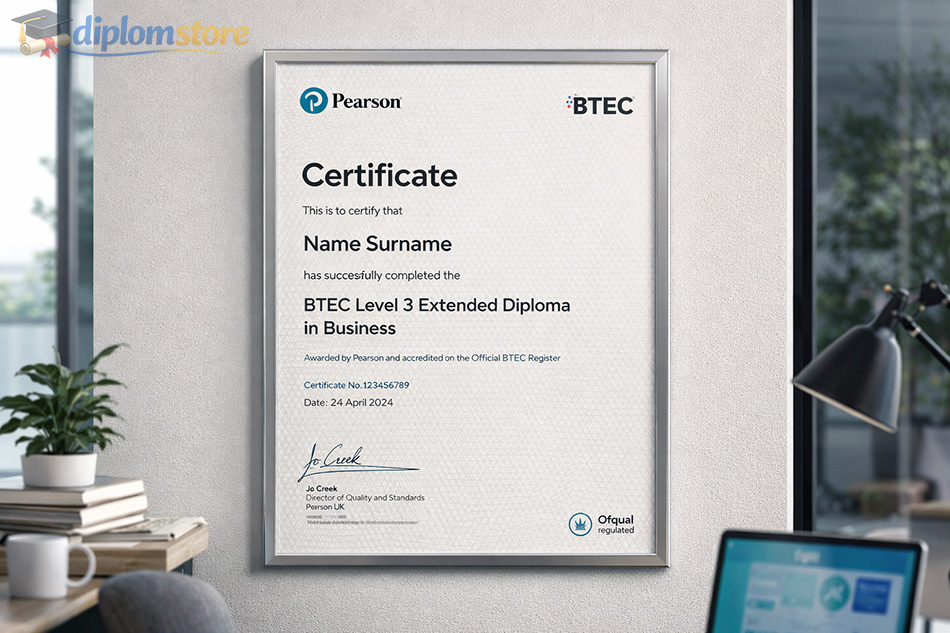
When a Pearson BTEC Certificate needs to be shown in a professional environment, the biggest concerns are authenticity, durability and visual impact.
Quick FAQ – What you need to know in seconds
- Can I frame my BTEC certificate without compromising security features? Yes, using UV‑filtered glass and a non‑adhesive mounting system preserves holograms and watermarks.
- What paper weight best mimics the original document? A 260‑gsm archival‑grade paper offers the heft and texture of a genuine certificate.
- Is it legal to display a replica for decorative purposes? Displaying a non‑official replica in a private office is permissible, provided it is not presented as an official credential.
- How much does a professional framing service typically cost? Prices range from $80 to $200 depending on frame material and glass type.
- What maintenance routine keeps the certificate looking fresh? Dust with a microfiber cloth weekly and avoid direct sunlight.
Understanding the User’s Core Problem
Most professionals who own a Pearson BTEC Certificate want to showcase it on a wall or desk, yet they fear two things: the certificate could be damaged over time, and the visual presentation might look cheap or inauthentic. The hidden question is whether a replica can be treated with the same respect as the original without breaking any institutional guidelines.
Why a ‘safe display’ matters more than you think
In an open‑plan office, a certificate is constantly exposed to temperature fluctuations, UV light, and accidental handling. Even a minor bend can loosen the holographic seal, making the document look aged. From a credibility perspective, a poorly displayed certificate can raise doubts about the holder’s attention to detail.
Step‑by‑Step Blueprint for a Secure Office Display
1. Verify the Document’s Specification
Before any framing, compare the replica with the original specifications published by Pearson. Key elements include:
- Paper type – usually a 260‑gsm ivory‑tinted stock with watermark corners.
- Colour palette – a subtle cream background with deep navy headings.
- Security features – holographic strip, embossed seals, and a serial number on the bottom right.
Matching these details ensures the replica will stand up to visual inspection when placed next to other office décor.
2. Choose the Right Protective Materials
All‑glass frames are tempting, but standard glass can cause glare and may not filter harmful UV rays. Opt for:
- UV‑filtering acrylic or glass – blocks up to 99% of UV radiation.
- Anti‑static backing – prevents dust from attracting to the surface.
- Acid‑free mat board – avoids chemical reactions that could yellow the paper.
3. Implement a Non‑Adhesive Mounting System
Metal clips or spring‑loaded hinges hold the certificate without using glue or tape, preserving the original edges. When positioning the clips, leave a ¼‑inch margin around the security strip to avoid accidental pressure.
4. Determine Ideal Placement
Lighting, eye level, and traffic flow all influence how the certificate is perceived.
- Eye‑level height – 57‑inches from the floor is the industry standard for wall art.
- Indirect lighting – place the frame near a diffused light source to reduce glare while highlighting the holographic seal.
- Avoid high‑traffic zones – keep the display at least a foot away from doorways to minimise accidental bumps.
5. Establish a Maintenance Routine
Regular care prolongs the display’s appearance. A simple schedule includes:
- Weekly dusting with a lint‑free cloth.
- Quarterly inspection of the holographic strip for any micro‑scratches.
- Annual climate check – ensure office humidity stays between 40‑55%.
Case Study: From Shelf to Centerpiece
Acme Consulting recently faced a dilemma. Their senior analyst, Emma, wanted her Pearson BTEC Certificate to be visible in the client‑facing conference room but feared the glass glare would obscure the hologram. We consulted on three alternatives:
- Standard glass – rejected due to glare.
- UV‑filtering acrylic – chosen for its clarity and light protection.
- Floating mount – eliminated the need for a mat, giving a modern look.
After installation, client feedback highlighted the certificate as a “trust‑building visual.” Six months later, a routine check showed no degradation of the holographic strip, confirming that the chosen materials performed as intended.
Addressing Hidden Concerns
Cost Visibility
Many ask whether a professional‑grade frame is worth the expense. When you break down the price, framing materials (UV glass, acid‑free mat, metal clips) account for roughly 60% of the total cost, while labour adds the remainder. In contrast, a damaged certificate could require a full replacement, which runs significantly higher in both time and money.
Legal and Ethical Boundaries
The replica is intended for personal display only. It must never be submitted as an official credential during recruitment, licensing, or academic verification. Keeping a clear disclaimer near the frame—such as “Displayed for decorative purposes only”—removes any ambiguity.
Risk of Misinterpretation
Some visitors might assume the displayed document is an original. To mitigate this, use a subtle label or a small plaque that references the issuing institution (e.g., “Pearson BTEC – Level 3 Diploma, reproduced for decorative use”). This practice respects both the certificate holder and the issuing body.
Why Professional Replicas Matter
When the original certificate is lost, damaged, or needed for archival purposes, a high‑fidelity replica offers a visual stand‑in that retains the aesthetic and security characteristics of the genuine article. The replica’s 1:1 scale and exact colour matching mean it blends seamlessly with other authentic documents you may already have displayed.
Our team follows a multi‑stage verification process, checking colour density, watermark placement, and holographic alignment at each step. The result is a document that looks and feels like the original, while remaining clearly marked as a replica for internal use.
Putting It All Together – Your Action Plan
- Get a copy of the original Pearson BTEC Certificate specification (paper weight, colour, security features).
- Select UV‑filtering acrylic or glass and an acid‑free mat.
- Use a non‑adhesive mounting system that leaves a margin around the hologram.
- Install the frame at eye‑level, with indirect lighting and away from high‑traffic zones.
- Schedule weekly dusting and quarterly inspections to catch any early signs of wear.
- Place a small disclaimer plaque to clarify the replica’s purpose.
Following these steps ensures the Pearson BTEC Certificate becomes a lasting, professional asset rather than a liability.
For further details on obtaining a high‑quality replica that meets these standards, visit our website and explore the options tailored for office display.