
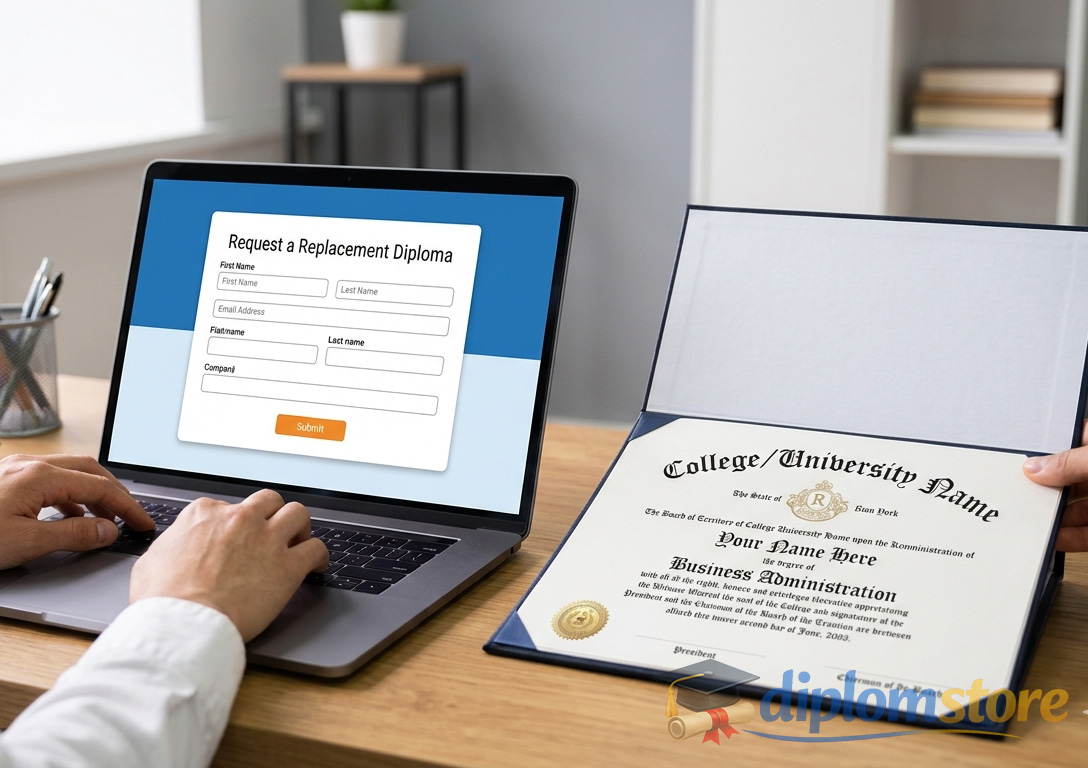
When a college diploma disappears, the immediate concern is how to secure a trustworthy replacement without costly delays.
Quick Summary
- Identify the issuing institution – locate contact details and archival policies.
- Gather proof of attendance – transcripts, student IDs, or alumni records.
- Submit a formal request – follow the school’s official form and fee schedule.
- Consider a professional reproduction service only after the institution issues a certified verification letter.
- Validate security features – holograms, embossed seals, watermarks.
- Store the new copy safely – archival‑grade sleeves, fire‑proof boxes, digital backup.
Why Diplomas Are Lost and What That Means
Graduates often store diplomas in attics, garages, or moving boxes. A single mishap—flood, fire, or simple misplacement—can render the original unavailable. While the loss does not erase the earned degree, many employers, licensing boards, or graduate programs still require a physical document. Understanding the legal standing of a lost diploma is the first step toward an effective remedy.
Legal Perspective
In most jurisdictions, the original diploma is considered a “record of achievement,” not a property right. Consequently, institutions are obligated to issue a replacement, usually after confirming identity and a reasonable fee. However, the replacement may be stamped “duplicate” or “certified copy,” which can affect how some third parties view it. Knowing the distinction helps you decide whether a certified copy suffices or whether a replica that mimics the original’s appearance is necessary for display purposes.
Step‑by‑Step Replacement Process
1. Locate the Registrar or Alumni Office
The registrar maintains official academic records. Most universities list a dedicated email address or online portal for document requests. A quick search on the institution’s website—typically under “Alumni Services” or “Records Request”—yields the correct contact point.
2. Compile Supporting Documentation
Before reaching out, gather any evidence that ties you to the missing diploma:
- Official transcripts (available through the student portal).
- Student identification cards, enrollment letters, or graduation announcements.
- Proof of payment for tuition or fees during the attendance period.
These items reduce verification time and demonstrate good faith.
3. Submit a Formal Replacement Request
Most schools require a written request on institutional letterhead or a printable form. The request should include:
- Full name as it appears on the original diploma.
- Degree awarded, major, and graduation date.
- Reason for loss (brief statement).
- Preferred delivery method (standard mail, express courier).
Attach the supporting documents from step 2. Some institutions charge an administrative fee; the amount varies widely, from $10 to $75.
4. Verify the Institution’s Security Features
After the school processes the request, they will issue a replacement that retains core security elements:
- Embossed seal or raised emblem.
- Watermark or security ribbon.
- Serial number or barcode unique to the original batch.
Compare these features with photographs of your original (if you have any) to ensure consistency.
5. Evaluate Professional Reproduction Services
When the official duplicate is intended for framing or public display, some graduates opt for a high‑fidelity replica that matches the original’s texture and paper weight. Choose a service that:
- Provides a certified verification letter from the issuing university.
- Uses archival‑grade paper and UV‑resistant inks.
- Offers a proofing stage, allowing you to confirm layout before final production.
Our platform diplomstore.com follows these standards, ensuring the final product aligns with institutional aesthetics while remaining a private, non‑official document.
6. Secure the New Copy
After receipt, store the diploma in a climate‑controlled environment. Acid‑free sleeves, a fire‑proof safe, and a digital scan stored on an encrypted drive provide layered protection.
Common Questions (FAQ)
- How long does the replacement process take? Most public universities complete verification within 10–14 business days; private institutions may require up to 30 days.
- Will the replacement be marked as a duplicate? Yes, institutions typically label the document “Certified Duplicate” to differentiate it from the original.
- Can I use the replacement for immigration purposes? Many immigration agencies accept certified duplicates accompanied by an official verification letter. Always verify the specific requirements of the receiving authority.
- Is there a risk of fraud? The risk diminishes when you follow the institution‑driven procedure and retain the verification letter. Avoid third‑party services that claim “instant” diplomas without university endorsement.
- What should I do if my school no longer exists? Contact the accrediting body or state education department; they often retain archival records or can direct you to a successor institution.
Real‑World Example
Emily, a 2015 graduate of a Midwestern state university, discovered her diploma missing during a house move. She accessed her alumni portal, downloaded the official transcript, and sent a scanned copy of her driver’s license to the registrar. Within twelve days, the university mailed a certified duplicate stamped with the original embossed seal. Emily then commissioned a replica for her living‑room wall, using a service that printed on 110 gsm archival paper and reproduced the holographic seal based on the university’s publicly available design guidelines. The final display matched the original, and all paperwork satisfied her employer’s verification request.
Bottom Line
The fastest, most reliable path to replacing a lost college diploma starts with the issuing institution. Gather proof, follow the official request process, and, if needed, supplement the certified duplicate with a carefully crafted replica for personal display. By respecting legal requirements and verifying security features, you eliminate the need for endless searches and protect the integrity of your academic record.